Responsible gambling and Duel Casino: tools, warning signs and UK support
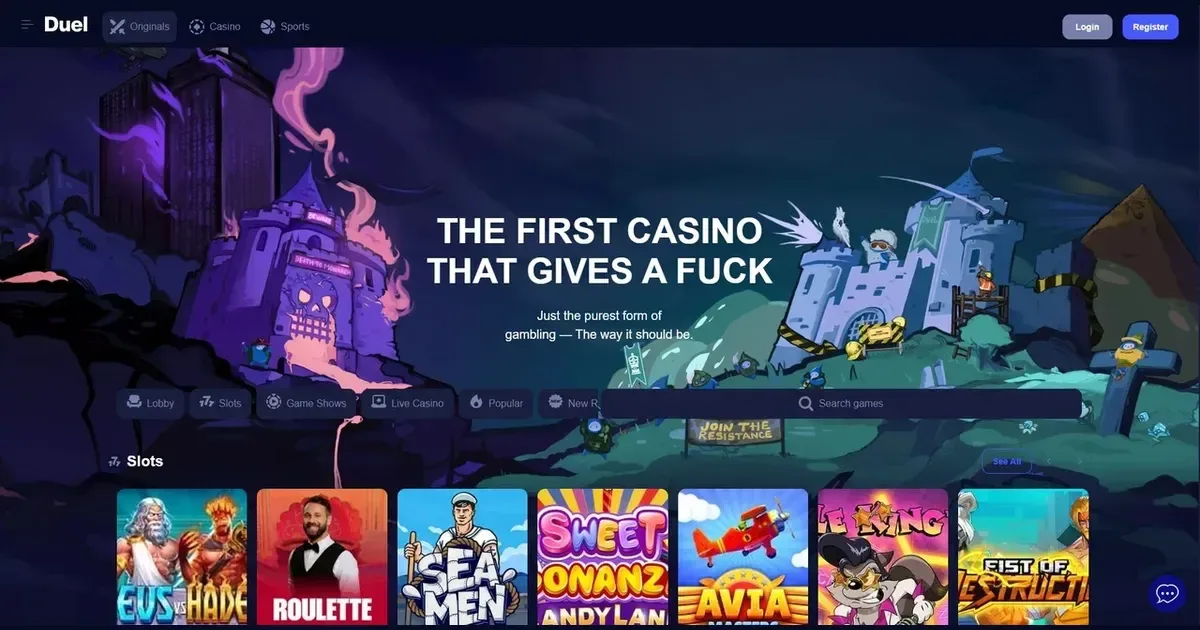
















Gambling is meant to be entertainment, not a way to make money or solve a financial problem. Duel Casino is one of many online gambling platforms available to UK players, and like any of them, it carries real risk alongside the entertainment. This page looks at how to recognise when gambling stops being fun, what control tools the operator actually publishes, and where to find free, independent help in the UK. Read more about the platform itself on the Duel Casino homepage.
Why responsible gambling matters
Betting and casino games are built to be engaging, and that's exactly why a bit of self-awareness goes a long way. Most people who gamble do so without any issue, spending a set amount on something enjoyable and stopping when it's gone. For a smaller group, it becomes harder to control – the losses chase bigger stakes, sessions run longer than planned, and the activity stops feeling like a choice. Recognising the shift early is the single most useful thing a player can do for themselves.
You must be 18 or over (18+) to gamble on any licensed or regulated platform, Duel Casino included. If a device in your household is shared with anyone under that age, it's worth setting up parental-control software separately from anything the operator offers – tools like Net Nanny or Qustodio can block gambling sites at the device level, which is a more reliable barrier than an account setting alone.
Warning signs: when gambling gets out of hand
These signs don't appear all at once, and not everyone experiences them the same way. Worth remembering: noticing even one or two of these regularly is a reasonable prompt to step back.
- Betting more than you planned to, or chasing losses with bigger stakes
- Borrowing money, or using money meant for bills, rent or essentials
- Lying to family or friends about how much time or money you're spending
- Feeling irritable, anxious or low when you try to cut back or stop
- Gambling to escape stress, boredom or low mood rather than for enjoyment
- Neglecting work, sleep or relationships because of time spent gambling
A few questions to ask yourself
This isn't a diagnosis, just a quick honest check-in. If several of these ring true, it's worth using one of the tools below or speaking to an independent organisation.
- Have you tried to cut back on gambling and found it harder than expected?
- Do you ever gamble to win back money you've already lost?
- Have you gambled with money meant for something else?
- Do you feel restless or irritable when you're not gambling?
- Have you hidden your gambling activity, or the amount spent, from people close to you?
- Has gambling caused arguments, financial strain or stress in your life?
Duel Casino's own control tools
In practice, most operators offer a small set of account-level controls, and Duel Casino is no exception. Here's what's confirmed:
| Tool | What it does |
|---|---|
| Self-exclusion | Locks the account for a minimum of 6 months and stops all promotional material from reaching you |
| Cooling-off period | A 7-day break from the account, shorter than full self-exclusion |
| Support contact | The operator's Customer Support team handles responsible-gambling requests directly |
Six months is a genuinely firm commitment once you set it – there's no early opt-back-in, and that's the point. If six months feels too long a step but you still want distance from your account, the 7-day cooling-off period is the lighter option, and it's worth using before things escalate rather than after. Duel Casino's own materials also point players toward Gamblers Anonymous, Gambling Therapy and GamCare, alongside a direct link to GambleAware.
Tips for gambling sensibly
- Set a budget before you start, and treat it as the total cost of the entertainment – not money you expect back
- Set a time limit too; losing track of time is one of the most common triggers for overspending
- Never gamble to cover a loss, pay a bill, or fix a financial problem
- Take regular breaks, especially during long sessions on slots or live casino
- Avoid gambling when you're stressed, upset or have been drinking
Where to find help in the UK
If any of the above sounds familiar, there's free and confidential support available, independent of any operator.
- GamCare – the National Gambling Helpline is free and runs 24/7 on 0808 8020 133
- BeGambleAware – advice, support and treatment referrals
- GamStop – free national self-exclusion covering all UK-licensed gambling sites at once
- Gordon Moody – residential and online treatment for more serious gambling harm
Blocking software
Account-level self-exclusion only covers one site at a time. For a wider barrier, blocking software works at the device or network level instead: Gamban blocks gambling sites and apps across most devices, and BetBlocker does the same job free of charge on multiple platforms. Both are worth setting up alongside – not instead of – any self-exclusion you request directly with the operator.
Protecting minors
Access to gambling content is restricted to those aged 18+, full stop. Where a computer, tablet or phone is shared with a child or teenager, don't rely on the operator's own age check as the only safeguard – parental-control software applied at the device level is the more dependable option, and it's worth setting up regardless of which gambling sites, if any, are used on that device.
Questions about this page itself can go to [email protected]. Gambling should be entertainment, not a chore – and if it's stopped feeling that way, the organisations above are there to help, free of charge and in confidence.
This content is provided for information and marketing purposes. We are not a gambling operator, bookmaker or organiser of betting or gaming activity. This site is restricted to visitors aged 18 and over (18+). Free, confidential support with gambling is available at BeGambleAware.org.
Game Providers